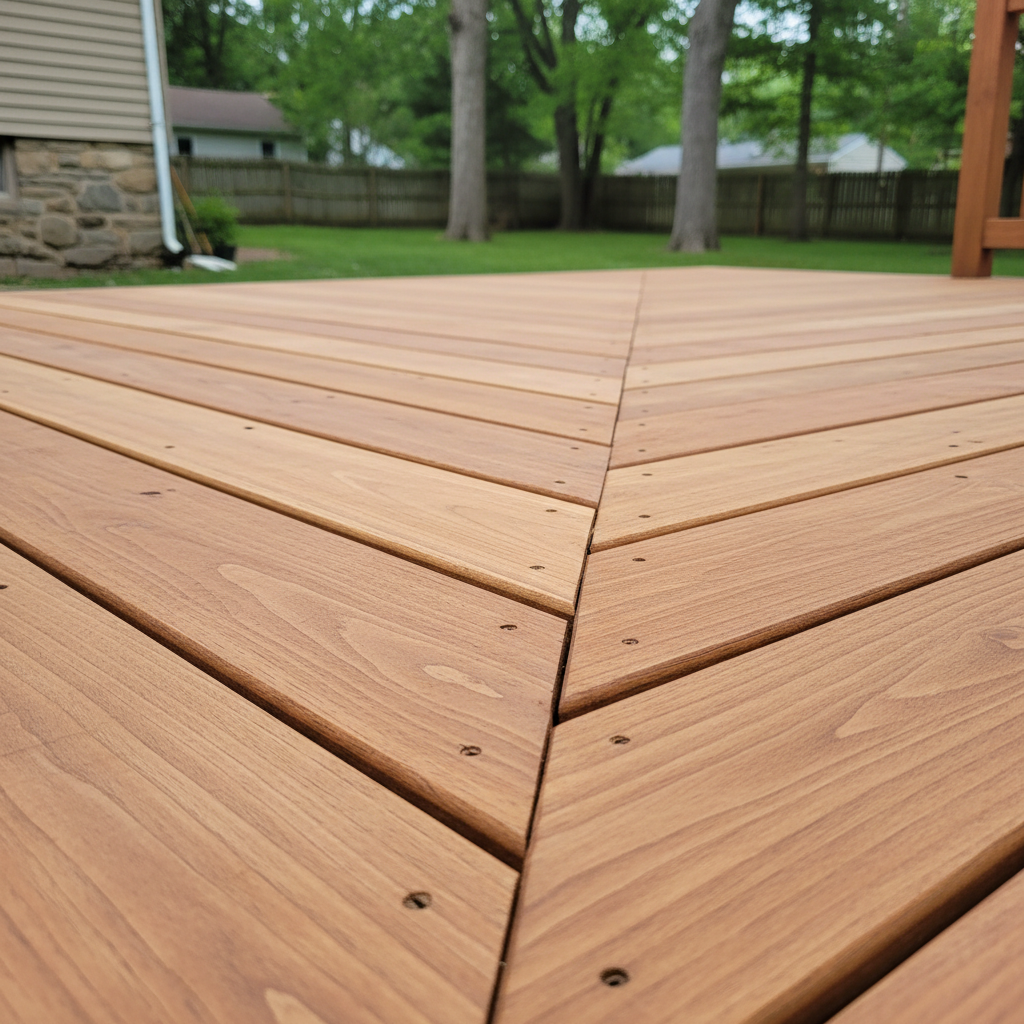
So, you're dreaming of a new wooden deck, huh? Maybe you're picturing summer evenings, grilling out, or just a quiet spot to enjoy your backyard. That's a great vision, and a well-built deck adds a ton of value and enjoyment to any New Haven home. But before you dive headfirst into Pinterest boards and lumberyard visits, let's get real about what a deck project actually entails.
Before You Even Buy a Single Board
This is where most folks either get overwhelmed or bite off more than they can chew. Planning is everything, and it's definitely something you can do yourself, at least initially. You'll want to think about size, shape, and how it'll connect to your house. What's its purpose? Just a small landing for the back door, or a sprawling entertainment hub? Sketch it out, measure your yard, and get a feel for the space.
Next, and this is crucial, you need to understand local zoning and building codes. New Haven has its own set of rules, and you don't want to build something only to find out it's too close to your property line or doesn't meet structural requirements. This isn't just about avoiding fines; it's about safety. You can usually find this info on the City of New Haven's building department website, or by giving them a call. They'll tell you about setbacks, height limits, and what kind of permits you'll need. Don't skip this step; it's non-negotiable.
You'll also need to consider your budget. Wood decks come in all sorts of price points depending on the material. Pressure-treated pine is common and affordable, but cedar or redwood will cost you more. Composite decking is another option, but we're talking about wooden decks here, so let's stick to that for now. Get some estimates for materials, even if you plan to do the labor yourself. This helps you figure out if your dream deck fits your wallet.
During the Build: When to DIY and When to Phone a Friend (or a Pro)
Alright, you've got your plans, your permits (hopefully!), and your materials. Now the real work begins. Here's where the DIY vs. pro decision really comes into play.
- Demolition: If you're replacing an old deck, tearing it down is often a DIY job. Just make sure you've got the right tools, a plan for disposal, and a buddy to help with heavy lifting.
- Footings and Framing: This is probably the most critical part of the entire project, and honestly, where I see most DIYers get into trouble. Your deck's footings need to be dug to the proper depth (below the frost line, which in our area is typically 42 inches, especially with our clay-heavy soil in neighborhoods like Westville or Fair Haven) and poured correctly. The framing — the joists, beams, and ledger board — needs to be perfectly level, square, and securely attached to your house. If the foundation isn't right, the whole deck will be unstable. This is often where it pays to bring in a professional. We've seen plenty of wobbly, unsafe decks that started with a well-meaning homeowner trying to save a buck on framing.
- Decking Boards: Laying the actual deck boards? That's usually a pretty manageable DIY task. It's repetitive, but satisfying. You'll need a good saw, a drill, and a system for consistent spacing. Just take your time and measure twice, cut once.
- Railings and Stairs: Building railings and stairs can be tricky. They need to be sturdy, meet code requirements for height and spacing, and look good. If you're not confident in your carpentry skills, especially with angles and precise cuts, this might be another spot to call in a pro. Safety is paramount here.
Look, I'm all for homeowners getting their hands dirty. There's a real sense of accomplishment in building something yourself. But don't let pride get in the way of safety or quality. If you're unsure about any structural component, get an expert opinion. It's cheaper to hire a pro for a critical phase than to fix a collapsing deck later.
After the Last Nail is Driven
So, your beautiful new wooden deck is finished! Now what? Don't just admire it; protect it. Wood needs regular maintenance to stand up to our New Haven weather. You'll want to clean it annually, usually with a deck cleaner, and then apply a good quality stain or sealant. This protects the wood from UV rays, moisture, and rot. Skipping this step is like buying a new car and never changing the oil; it'll look great for a bit, but it won't last.
Inspect your deck regularly. Look for loose boards, popped nails, or any signs of rot, especially where wood meets the ground or where water tends to collect. Catching small issues early can save you from bigger, more expensive repairs down the road. If you spot anything concerning, especially with the structural elements, give Decks Unlimited New Haven a call. We're happy to take a look and give you an honest assessment.
Building a deck is a big project, but with good planning and a realistic understanding of your own skills, you can definitely tackle parts of it. Just remember, some things are best left to the pros to ensure your deck is safe, durable, and something you'll enjoy for years to come.